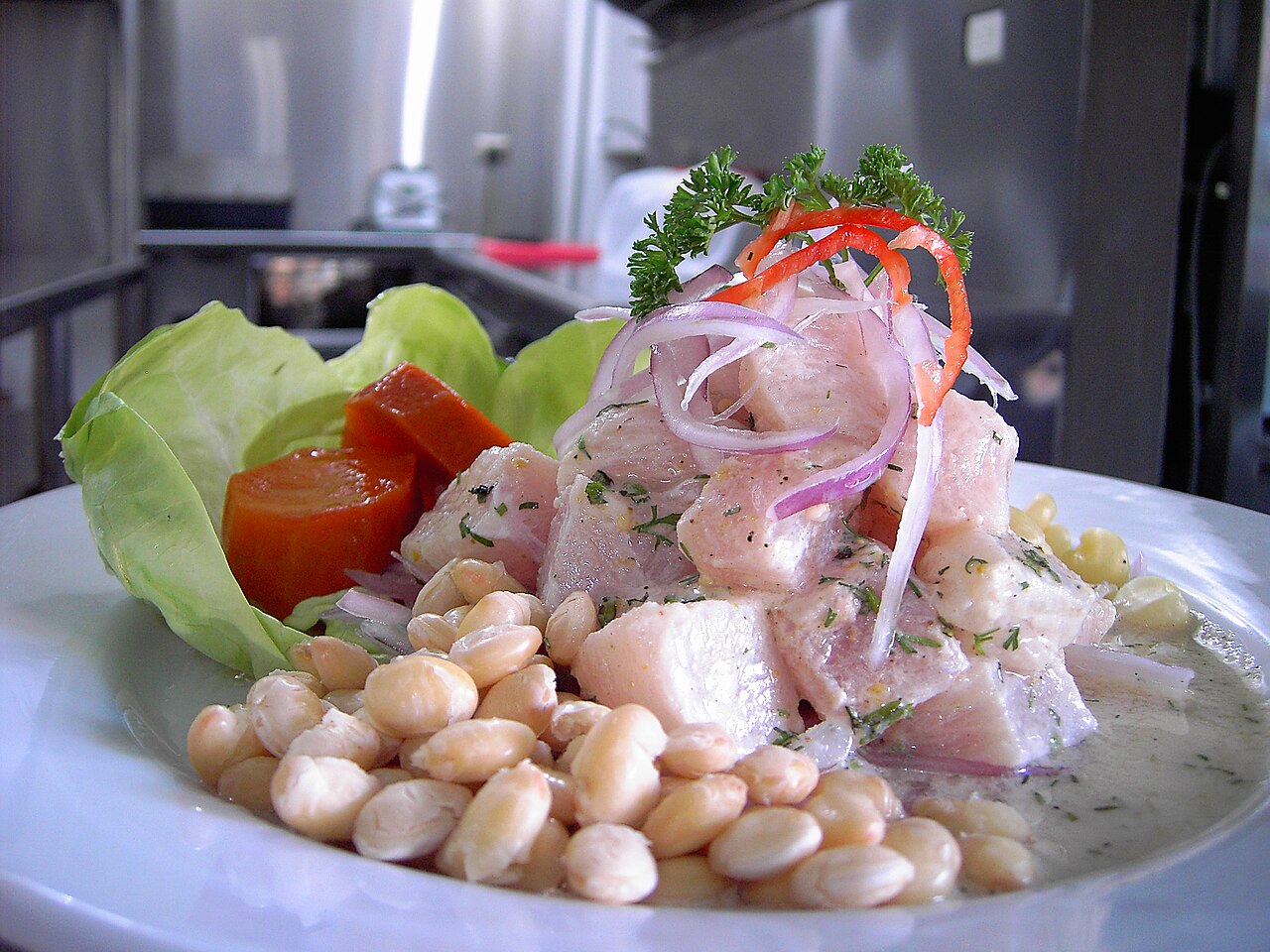
Peruvian Ceviche: A Culinary Journey into Authentic Flavors & Origins
Peruvian ceviche stands as a vibrant testament to the magic that happens when the freshest ingredients meet a masterful hand. Often hailed as the national dish of Peru, this iconic dish transcends simple food; it's an art form, a cultural staple, and an exhilarating burst of flavor that awakens the senses. While variations of ceviche exist across Latin America, the Peruvian rendition is renowned for its elegant simplicity, intense zest, and the transformative power of its unique marinade. Forget cooking with heat; in the world of authentic
fish ceviche, it's the humble citrus juice that performs the culinary alchemy, "cooking" raw fish to tender, opaque perfection.
The Mysterious Origins and Enduring Legacy of Ceviche
Like many ancient culinary treasures, the precise origins of ceviche are shrouded in a captivating mist of history and legend. While some theories point to influences from Polynesia or even ancient Spain with its *escabeche* (vinegar-pickled dishes), most culinary historians agree that Peru is the undisputed cradle of ceviche. Archaeological evidence suggests that coastal Peruvian civilizations, such as the Moche, were already consuming fish marinated in fermented fruit juices or *chicha* (a corn-based beverage) nearly 2,000 years ago. With the arrival of the Spanish, citrus fruits like limes and lemons were introduced, revolutionizing the marination process and giving birth to the ceviche we know today.
The very word "ceviche" itself adds to the intrigue. Some link it to the Spanish *escabeche*, others to the Arabic *sakbaj* (vinegar-cooked meat), or even the Quechua word *siwichi*, meaning "fresh fish." Regardless of its etymological roots, what's clear is that ceviche represents a profound culinary fusion, evolving over centuries to become a dish deeply embedded in Peruvian identity.
Compared to its raw seafood cousins like Japanese sashimi or Italian crudo, Peruvian
fish ceviche offers a distinct experience. It’s less about pure pristine raw texture and more about the complex interplay of sharp acidity, a hint of heat, and the firm yet yielding texture of citrus-cured fish. Despite its elegant appearance and sophisticated flavor profile, ceviche is remarkably accessible to prepare, offering an impressive return for a relatively minimal time investment – a culinary secret that has captivated chefs and home cooks alike.
The Essentials of Authentic Peruvian Fish Ceviche
At its heart, authentic Peruvian
fish ceviche is a symphony of contrasting elements, meticulously balanced to create a harmonious whole. The key components are surprisingly few, yet each plays a crucial role:
1.
The Freshest Fish: This is non-negotiable. The success of your ceviche hinges entirely on the quality and freshness of your fish. Opt for firm, white-fleshed fish, ideally "sashimi-grade" or "sushi-grade" to ensure safety and superior texture. Excellent choices include:
*
Halibut: Its firm, flaky flesh is perfect for soaking up the marinade.
*
Mahi-Mahi (Dorado): Offers a robust flavor and good texture.
*
Sea Bass (Corvina): A classic choice in Peru, known for its delicate flavor.
*
Snapper (Pargo): Another firm, white fish that holds up well.
*
Tilapia: A milder, more economical option that cures beautifully.
* While traditional Peruvian ceviche primarily uses white fish, contemporary variations also embrace salmon or tuna, offering different flavor profiles.
Visit your local fishmonger and inquire about the "catch of the day" – you want fish that smells like the ocean, not "fishy," with clear eyes and firm flesh.
2.
The Power of Lime: Peruvian ceviche is almost exclusively cured with fresh lime juice. Its sharp, bright acidity not only "cooks" the fish by denaturing its proteins but also imparts a characteristic tang that is central to the dish's identity. While some recipes might incorporate a touch of lemon, lime is the star.
3.
Aromatic Alliums and Herbs:
*
Red Onion: Thinly sliced red onion adds a crucial pungent bite and beautiful color. It's often "washed" or briefly soaked in cold water to mellow its intensity.
*
Cilantro: Fresh cilantro leaves are indispensable, providing a vibrant herbaceous note that complements the citrus and fish.
*
Aji Peppers: This is where Peruvian ceviche truly distinguishes itself. Indigenous Peruvian chilies like *ají amarillo* (yellow pepper) or *rocoto* are foundational. *Ají amarillo* offers a fruity, medium heat, often puréed into the marinade, while *rocoto* provides a more intense, spicy kick. If these are unavailable, a touch of jalapeño or serrano pepper can be used, though the flavor profile will differ.
4.
The Leche de Tigre (Tiger's Milk): This is the soul of Peruvian ceviche. *Leche de Tigre* is the potent, intensely flavorful marinade left over after the fish has cured. It’s a magical elixir made from fresh lime juice, slices of fish (often the trimmings), red onion, cilantro, garlic, ginger, and *ají amarillo* paste, sometimes blended into a milky liquid. This concoction is poured over the diced fish, initiating the curing process, and is often served as a shot on the side, revered for its revitalizing properties and bold taste. The reference context’s mention of "a blended mixture of lime juice, celery, cilantro and cumin" for tilapia and shrimp alludes to a simplified version of this powerful marinade base.
Crafting Your Own Masterpiece: A Step-by-Step Guide
Making authentic Peruvian
fish ceviche is surprisingly straightforward, focusing on precision and timing.
1.
Prepare the Fish: Begin by dicing your impeccably fresh fish into bite-sized pieces, typically 1/2 to 3/4 inch cubes. Ensure all bones and skin are removed. For certain varieties like sea bass or swordfish, thin slices can also be elegant.
2.
The Aromatics: Finely julienne or slice red onion, chop fresh cilantro, and prepare your chosen chili (minced jalapeño, serrano, or *ají amarillo* paste). A touch of minced garlic and ginger is also common in the marinade base.
3.
The Leche de Tigre (Optional but Recommended): For an authentic experience, blend a small amount of fish trimmings with lime juice, a few slices of red onion, cilantro stems, a piece of ginger, a garlic clove, and a bit of *ají amarillo* paste. Strain this liquid – this is your *leche de tigre* base.
4.
Marination: In a non-reactive bowl (glass or ceramic), combine the diced fish with the prepared aromatics and the *leche de tigre* (or simply fresh lime juice, salt, and pepper if omitting the blended base). Ensure the fish is submerged in the citrus. The acid immediately begins to "cook" the fish.
5.
Chilling and Curing: The curing time varies based on the fish's thickness and desired texture. Delicate white fish like halibut or sea bass may only need 15-20 minutes until the edges turn opaque and firm. Heartier fish might go for up to an hour. Over-marinating can result in rubbery fish, so keep a close eye on it.
6.
Season and Serve: Taste and adjust seasoning, adding more salt, pepper, or chili if desired. Serve immediately.
For those eager to explore the vast world of citrus-cured seafood, discover an array of innovative methods and ingredients in
The Ultimate Guide to Fresh Fish Ceviche Recipes.
Traditional Accompaniments and Creative Variations
Peruvian
fish ceviche is traditionally served with a vibrant array of sides that both complement and contrast its sharp flavors:
*
Camote (Sweet Potato): Slices of boiled or steamed sweet potato provide a delightful sweetness and soft texture that balances the ceviche's acidity and spice.
*
Choclo (Peruvian Corn): Large-kernelled Peruvian corn, typically boiled, offers a starchy, slightly sweet crunch.
*
Canchas (Toasted Corn Kernels): These crunchy, salty corn nuts add a satisfying textural element.
*
Lettuce Leaves: Often used as a bed for the ceviche, offering a refreshing crispness.
Beyond the classic, the world of ceviche embraces exciting variations. You can find versions featuring diced mahi-mahi with avocado and orange segments for a sweeter profile, or halibut infused with tequila and mango for an unexpected twist. Some recipes integrate fresh ginger and olive oil for a richer marinade, while others blend in a pale ale for a unique hoppy note when combined with tuna and mango. The beauty of
fish ceviche lies in its adaptability; once you master the fundamentals, you can experiment with various ingredients to create your signature dish. If you're looking to effortlessly impress guests with delectable, heat-free dishes, explore more options in
No-Cook Ceviche: Impress Guests with Easy Fish Recipes.
Conclusion: Embrace the Ceviche Experience
Peruvian ceviche is more than just a dish; it's an experience. It's the taste of the Pacific coast, the vibrancy of fresh ingredients, and the ingenuity of a culinary heritage passed down through generations. By understanding its essential elements—the pristine fish, the potent lime, the aromatic spices, and the legendary *leche de tigre*—you can master this authentic delicacy in your own kitchen. Whether you stick to the time-honored classic or venture into innovative variations, crafting your own
fish ceviche promises a refreshing, flavorful, and truly impressive culinary adventure.